Once you have decided to renovate the bathroom one of the next steps you have to make involves which type of tile want to use in your bathroom renovation and whether that will be the more modern rectified tile or the cushion edge tile.
Along with the other decisions with picking tiles, meaning carefully selecting the type, size, shape, and color of each tile.
That choice between non-rectified (Cushion Edge) tile and rectified tile will have a major effect on the look of your walls and floor but in order to know whether your bathroom renovation project would come out better by using non-rectified tile or rectified tile, you first need to learn some basics about each type.

What Is A Non-Rectified Tile
For a long time, non-rectified tiles were the industry standard, making them incredibly common in homes that are not newly built or haven’t been renovated in a while.
Basically, a non-rectified tile is any tile that has natural edges that have not been mechanically straightened after cutting, which results in each tile having a plain, square edge.
Additionally, the reason I refer to it as a cushion edge is that it’s easier to associate round with the word as opposed to non rectified.
Now because of this imprecise process, each tile is not the exact same size.
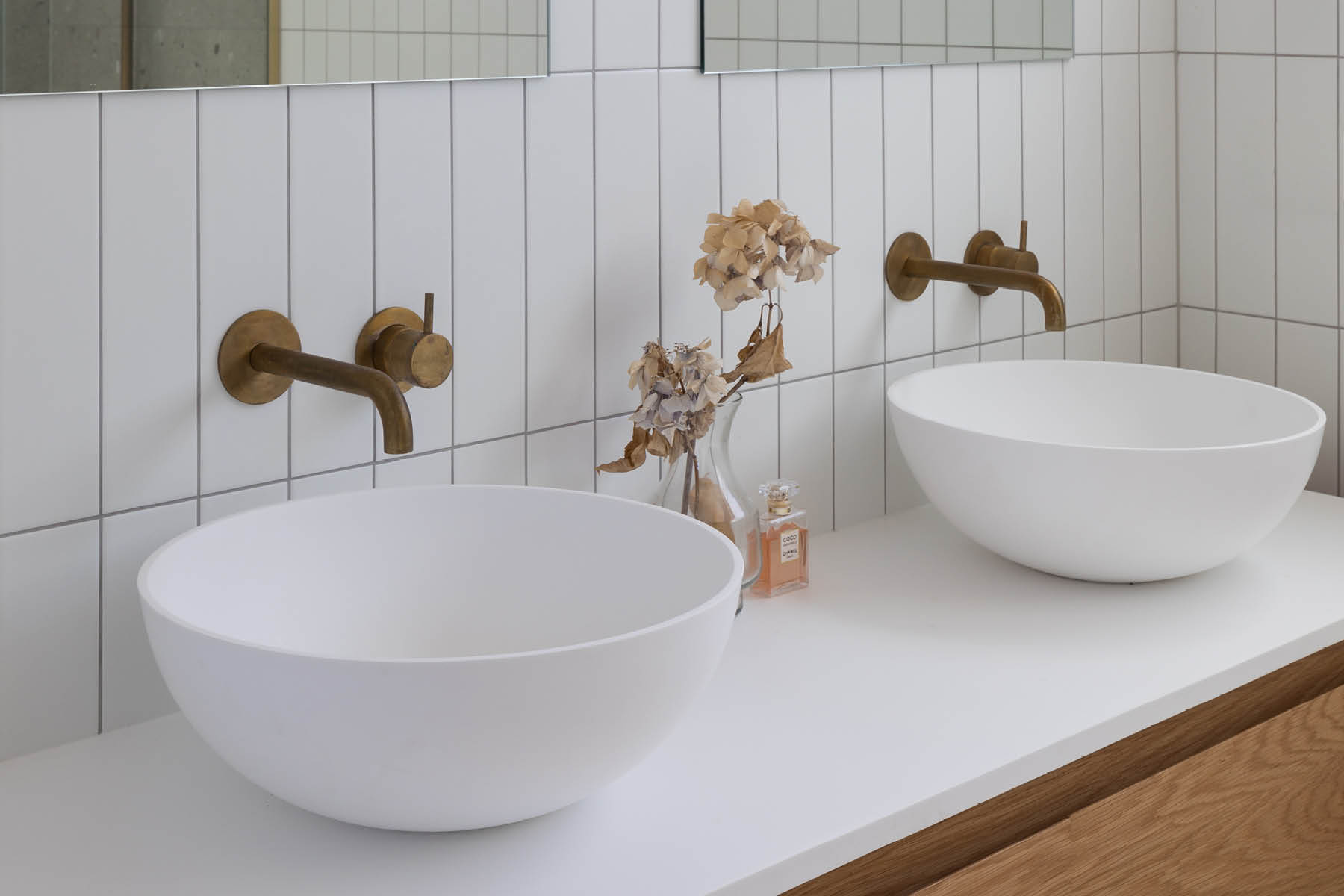
From an installation perspective, that means larger grout lines will need to be used in order to correctly fit these tiles together, fill in the gaps, and hide their little differences.
Definitely, this works fine, but the resulting large grout lines are not as aesthetically pleasing to most people, and also require much more cleaning and maintenance.
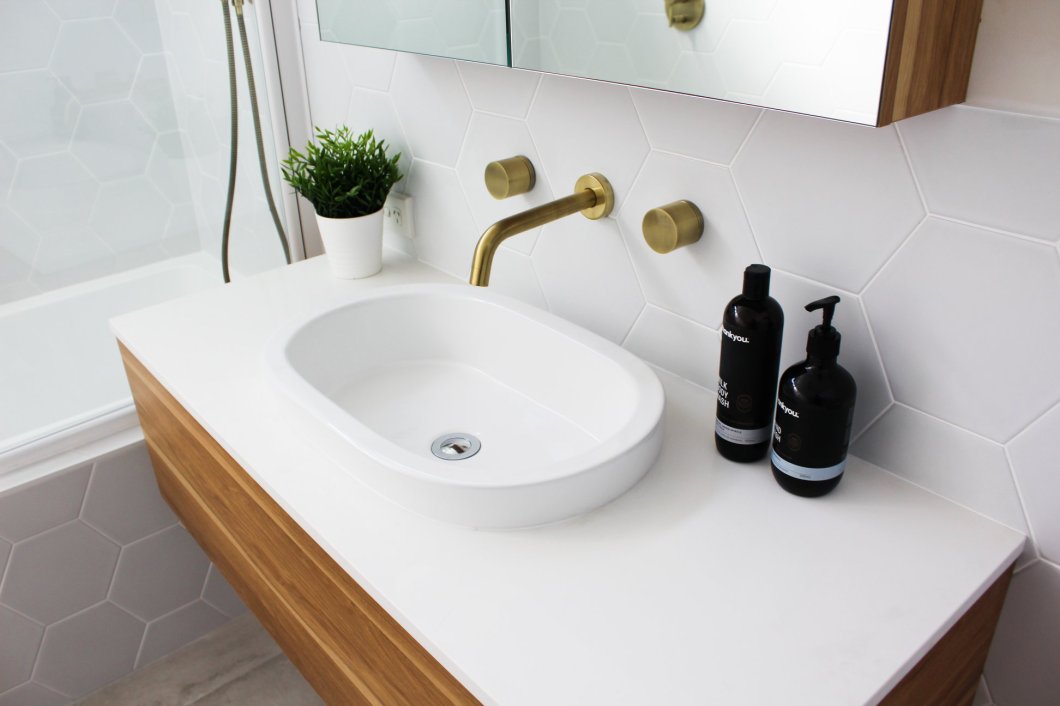
This has changed over time with non-rectified tiles such as hexagons or subway tiles booming again.
Below is an example of a non-rectified tile (Cushion Edge)

What Is A Rectified Tile
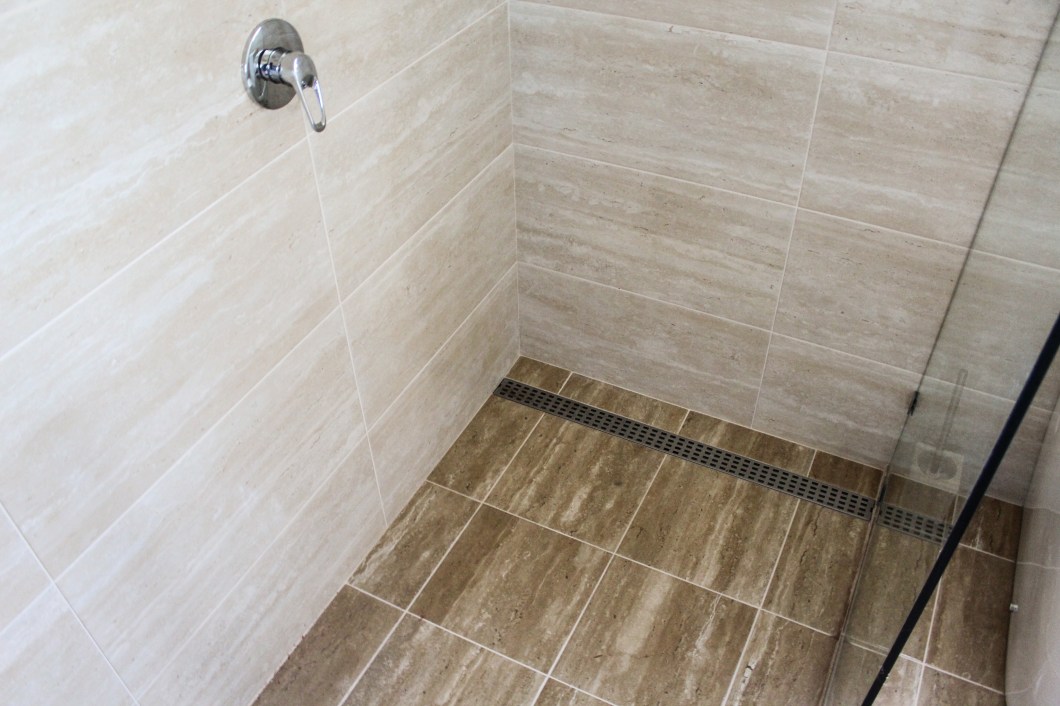
The major difference between non-rectified tile and rectified tile is that rectified tile has gone through a mechanical process that ensures that each edge is precise, straight, and uniform.
The resulting crisp, 90-degree edges allow for a perfectly level installation with the use of almost no grout.
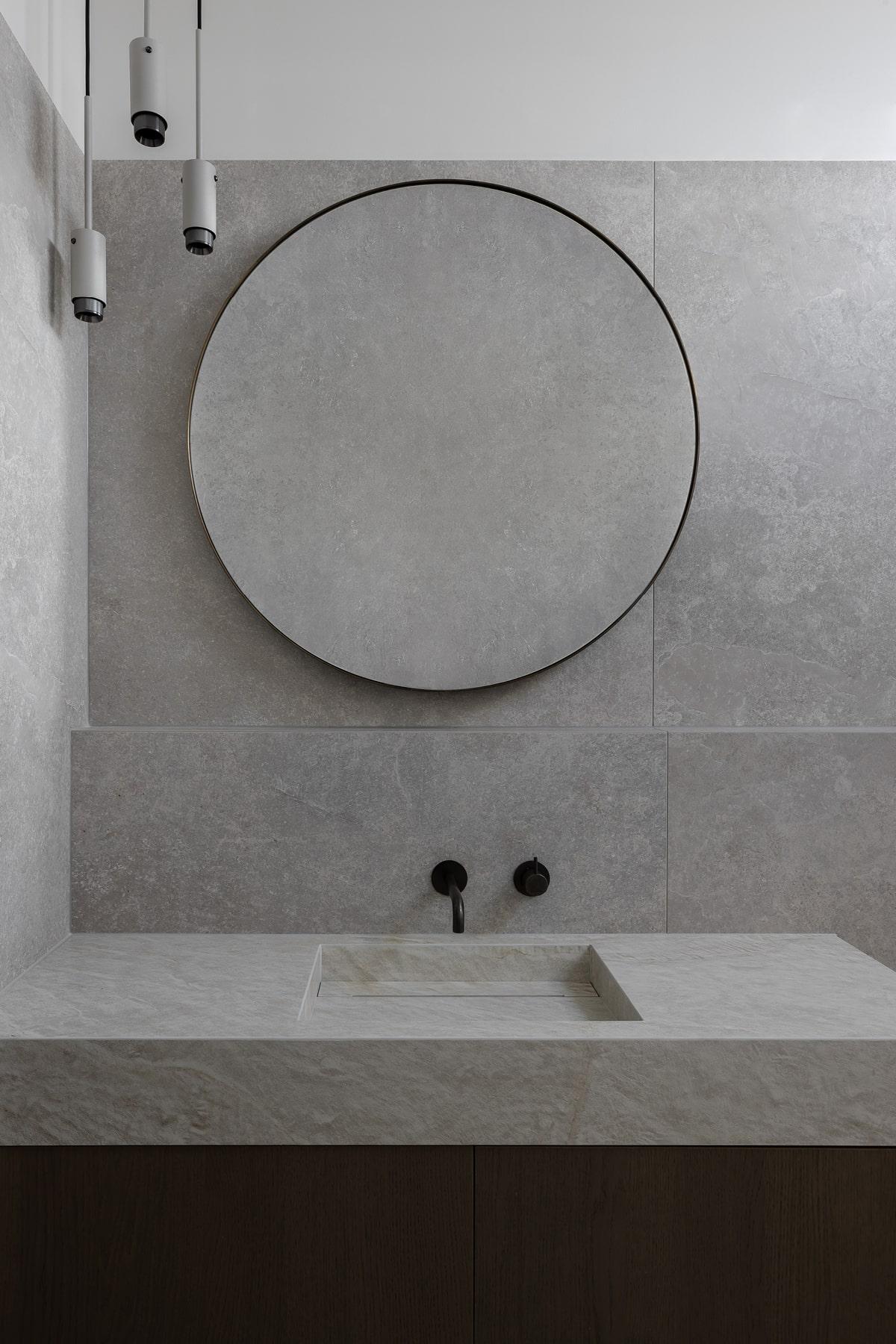
This type of installation will give your home a much more polished, modern, and aesthetically pleasing feel, as opposed to the non-rectified tiles with their large grout lines.
One downside to rectified tile is that it is a lot more difficult to install.
In fact, the average tile installer is not even trained in the correct methods of installing the rectified tile but at small bathroom renovations, we would lay nothing else as years of laying them have allowed us to perfect the correct process of laying especially with older homes where the walls are never straight.
Below are examples of rectified floors and walls from bathrooms we have completed.
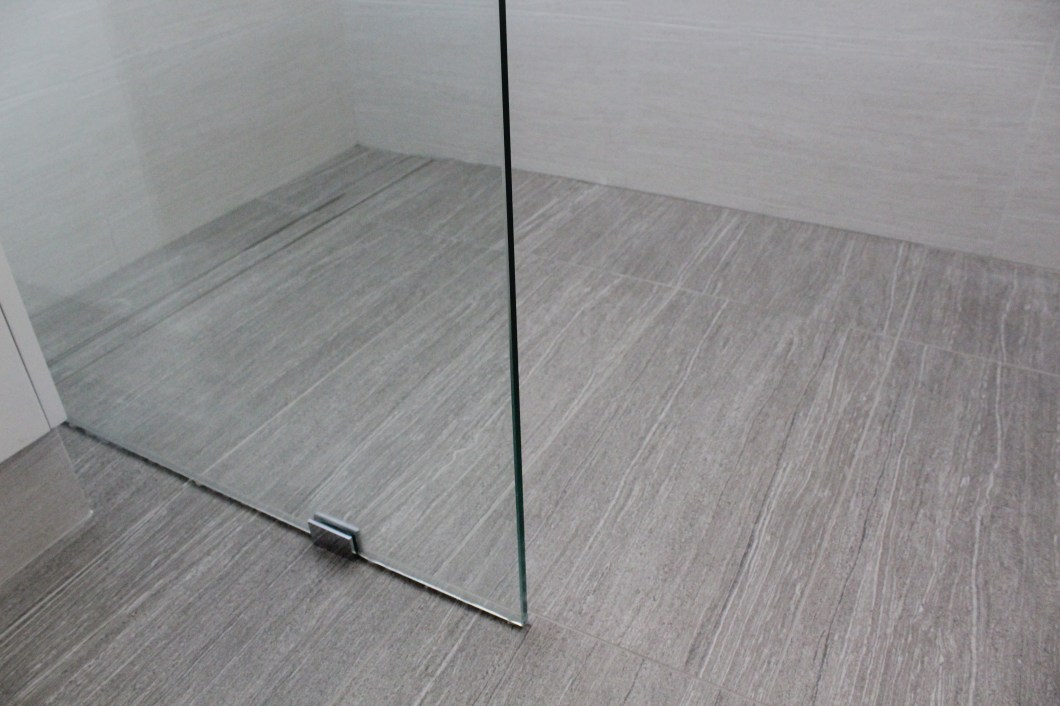
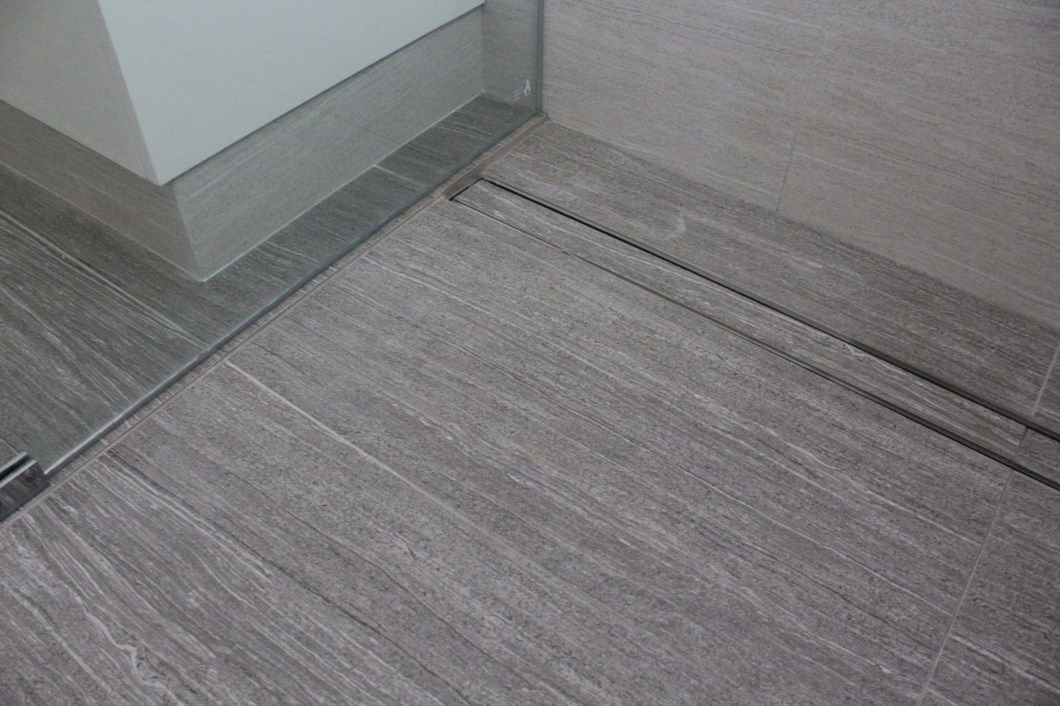
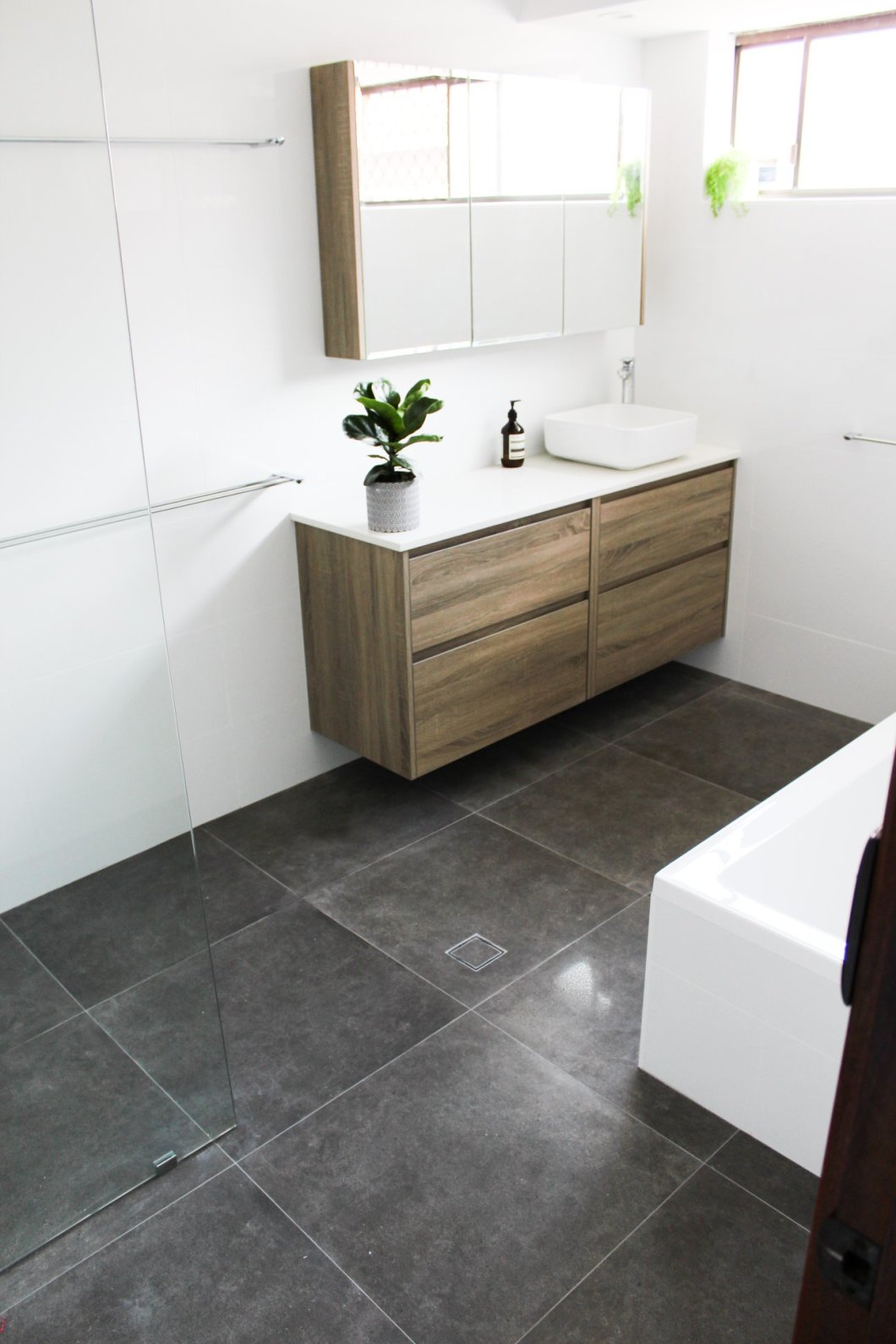
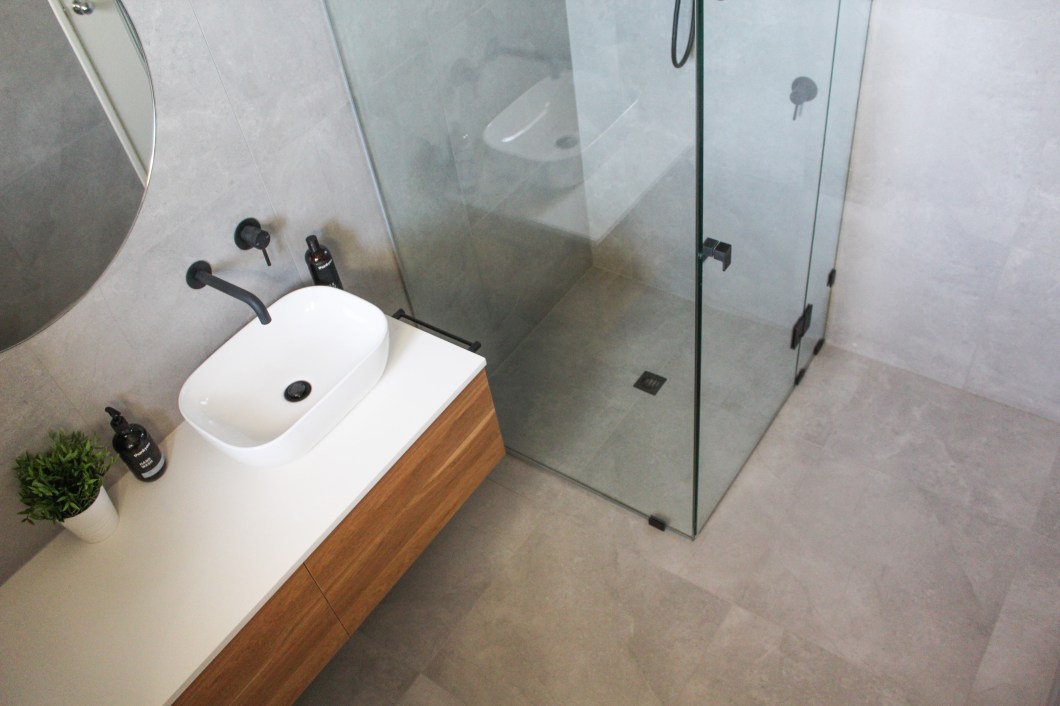
There are times when I would not recommend using a rectified tile such as a home that has walls that are incredibly uneven as a rectified tile will show how uneven it is.
You can be the best tradesman in the world but you can only work to the surface you are given.
A cushion edge tile will hug the walls better allowing for more of an unpredictable surface.
It’s important to listen to the expert telling you how to get the best out of your room as dealing with new problems every day you become an expert in avoiding what may occur down the track. I hope we have helped with the pros and cons of rectified tiling.

LOOKING FOR MORE TILING ADVICE. Click the image below for all the best bathroom tiling advice you will ever need all in once place.

Above all, it’s important to note that all our advice is general in nature and all bathrooms are unique so always speak to your local qualified tradesman for the best advice.
Check out all our socials below and give us a follow for more awesome ideas and inspiration.
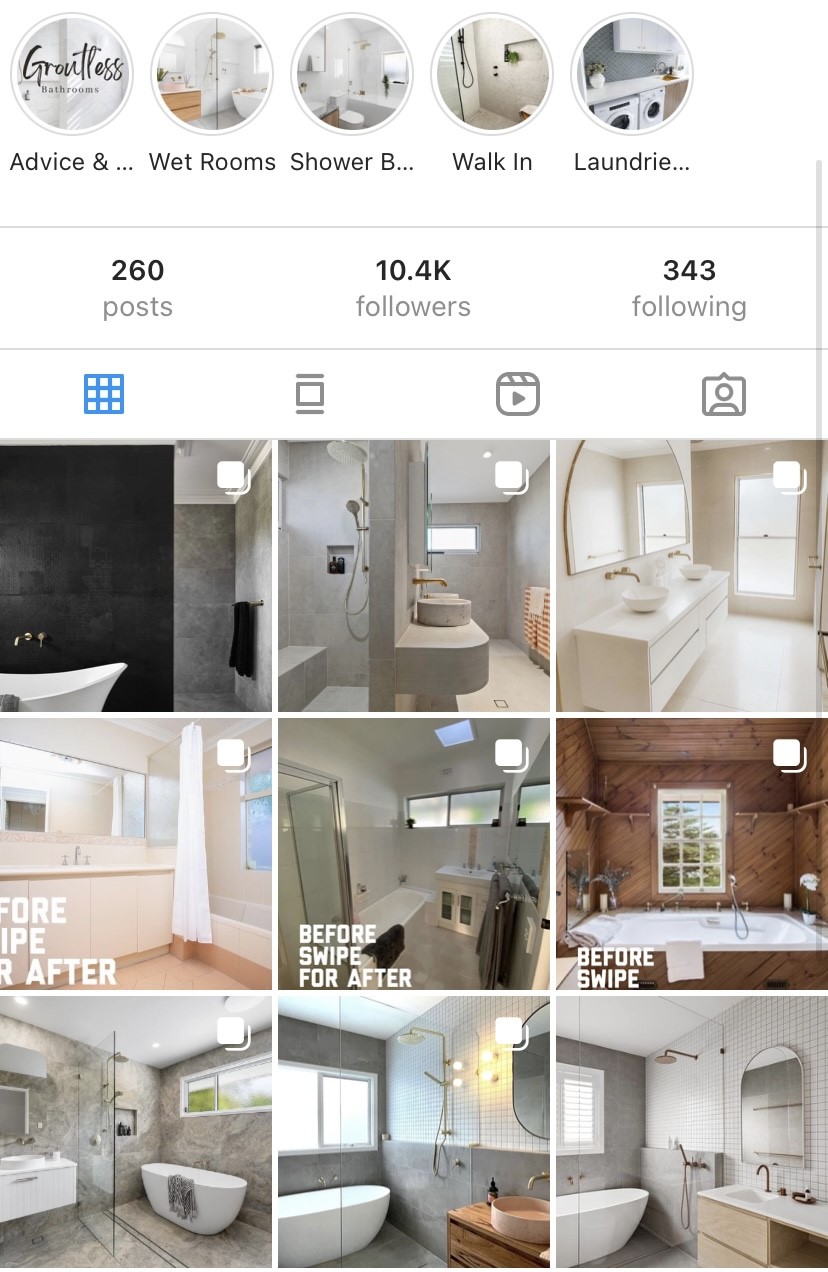
check out our Instagram page with tons of inspiration CLICK HERE
Follow Us On Facebook
If you have any questions about double showers just comment below we will be happy to help.
 Small Bathroom Renovations Perth | Bathrooms Perth
[…] Often do not come in rectified tiles (https://ontheballbathrooms.wordpress.com/2016/03/18/rectified-tiles-versus-cushion-edge/) […]